


Pennsylvania Boat Disposal Services
Looking to dispose of an unwanted boat in Pennsylvania? Whether your boat is damaged, abandoned, sunken, or simply too costly to repair, we offer fast and affordable disposal services across the state. From cities like Pittsburgh and Philadelphia to rural lakes and marinas, we handle it all.
Full-Service Boat & Trailer Removal in PA
Our experienced team removes all types of vessels: powerboats, sailboats, catamarans, pontoons, jet skis, bass boats, cabin cruisers, and trailers. We provide both land-based and water recovery, including towing, derigging, and delivery to certified disposal or salvage yards.
We also help marinas, private property owners, and insurance adjusters clear out vessels quickly and legally.
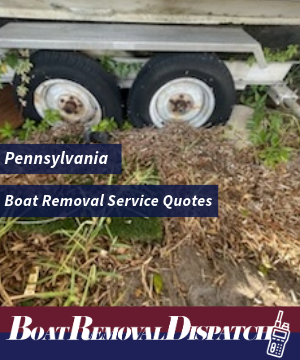
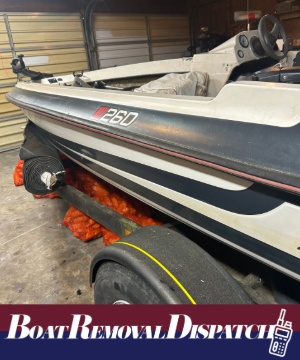
Boat Removal Dispatch Pennsylvania – Marine Salvage, Boat Hauling, Towing, Removal & Disposal
How Much Does It Cost to Dispose of a Boat?
The Price Averages below fluctuate due to variables including:
- Service Area Locations. States with a higher cost of living have a higher cost of boat disposal due to higher operational costs.
- Timing & Season. In-demand machinery & equipment rental is higher during storm/hurricane season, winterizing, marina closures & priority.
- Higher Fuel Costs. States with higher fuel Prices see a higher cost of boat removal operations as tow boats and trucks have a higher tow/transport/operational cost.
- Extended Water Tow Services. On average we tow a customer’s power boat, or sailboat at 5-6 mph. Towing a customer’s vessel by water over 5 nautical miles may be subject to extended water towing fees.
- Environmental Factors. Pollutant exposure factors, fuel, contaminants, & tank locations.
- Hull & Keel Dimensions. Deep hulls, and large keels cost more to trailer, transport, dismantle & dispose of.
- Personnel Requirements. The personnel needed to safely remove your boat.
- Machine & Equipment Requirements. Float bag deployment, high powered pumps, dumpsters.
- Trailer Requirements. Hydraulic trailers, triple axel, tandem or single axle.
Factors Considered in Price Estimates & Boat Disposal Price Averages
Boat weight, boat trailering obstacles, water transport requirements, land transport requirements, haul out / crane needs if applicable, distance to and from boatyard / salvage yard, vessel disposition (land, water, sinking, submersed, sunken), accessibility, vessel dimensions (length, beam), draft / keel / hull dimensions, salvage value if applicable, dismantle machinery needed, disposal options (onsite/offsite), pump out requirements if applicable, derigging requirements if applicable, environmental exposure, liability and risk factors.
Boat Length 5-15ft
Boat on Land
(Trailer Roadworthy)
Starting
Low Price Averages: $650
High Price Averages: $1,750
Get a Quote!
Boat on Land
(Trailer Not Roadworthy, No Trailer, Boat Stands, Blocks, Ground, etc.)
Starting
Low Price Averages: $750
High Price Averages: $2,450
Get a Quote!
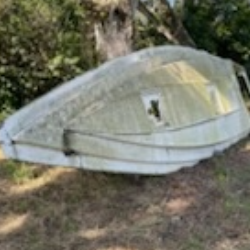
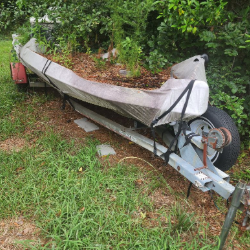
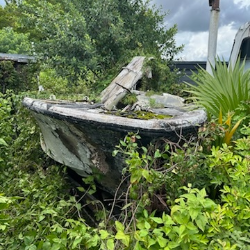
Boat On Water
(Slip/Dock, Mooring, Lift, Anchor, etc.)
Boat Ramp / Marina Exchange
Customer Arranges Water Tow
Starting
Low Price Averages: $950
High Price Averages: $2,550
Get a Quote!
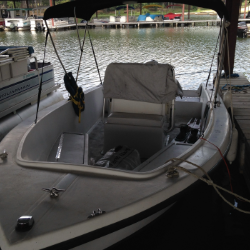
Boat On Water
(Slip/Dock, Mooring, Lift, Anchor, etc.)
Provider Arranges Water Tow
Starting
Low Price Averages: $1,450
High Price Averages: $2,950
Get a Quote!
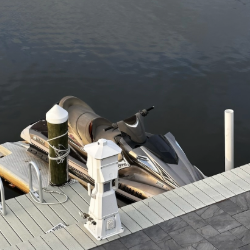
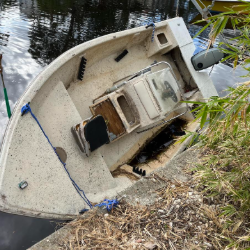
Boat On Water
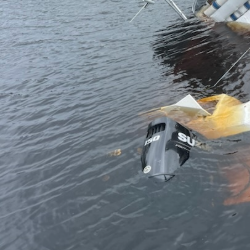
Submersed, Sinking, Sunken
Provider Arranges Water Tow
Starting
Low Price Averages: $2,250
High Price Averages: $4,550
Get a Quote!
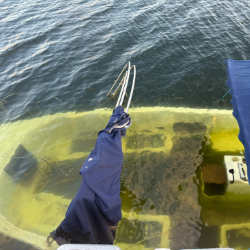
Boat Length 15-20ft
Boat on Land
(Trailer Roadworthy)
Starting
Low Price Averages: $1,350
High Price Averages: $2,100
Get a Quote!
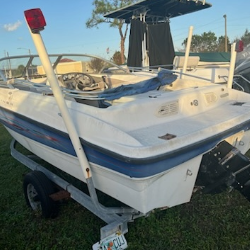
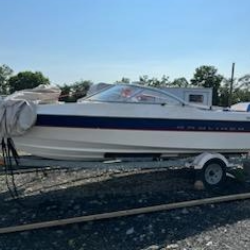
Boat on Land
(Trailer Not Roadworthy, No Trailer, Boat Stands, Blocks, Ground, etc.)
Starting
Low Price Averages: $1,450
High Price Averages: $2,750
Get a Quote!
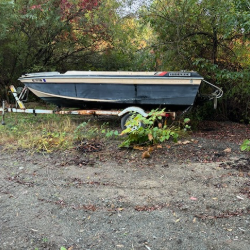
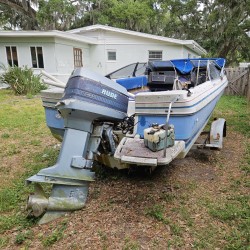
Boat On Water
(Slip/Dock, Mooring, Lift, Anchor, etc.)
Boat Ramp / Marina Exchange
Customer Arranges Water Tow
Starting
Low Price Averages: $1,550
High Price Averages: $2,850
Get a Quote!
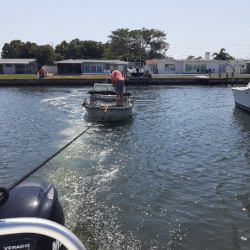
Boat On Water
(Slip/Dock, Mooring, Lift, Anchor, etc.)
Provider Arranges Water Tow
Starting
Low Price Averages: $2,250
High Price Averages: $3,550
Get a Quote!
Boat On Water
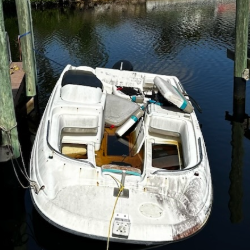
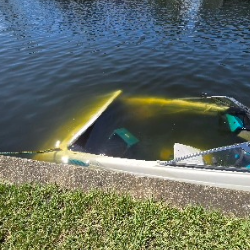
Submersed, Sinking, Sunken
Provider Arranges Water Tow
Starting
Low Price Averages: $2,550
High Price Averages: $7,850
Get a Quote!
Boat Length 20-25ft
Boat on Land
(Trailer Roadworthy)
Starting
Low Price Averages: $1,650
High Price Averages: $3,100
Get a Quote!
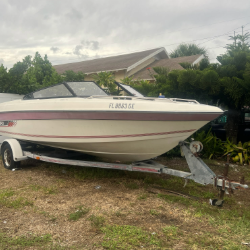
Boat on Land
(Trailer Not Roadworthy, No Trailer, Boat Stands, Blocks, Ground, etc.)
Starting
Low Price Averages: $1,750
High Price Averages: $3,700
Get a Quote!
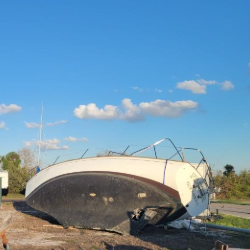
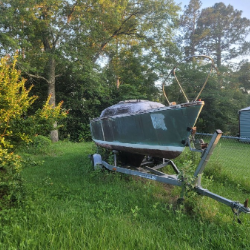
Boat On Water
(Slip/Dock, Mooring, Lift, Anchor, etc.)
Boat Ramp / Marina Exchange
Customer Arranges Water Tow
Starting
Low Price Averages: $1,950
High Price Averages: $3,900
Get a Quote!
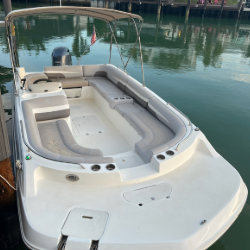
Boat On Water
(Slip/Dock, Mooring, Lift, Anchor, etc.)
Provider Arranges Water Tow
Starting
Low Price Averages: $2,950
High Price Averages: $4,500
Get a Quote!
Boat On Water
Submersed, Sinking, Sunken
Provider Arranges Water Tow
Starting
Low Price Averages: $3,950
High Price Averages: $9,900
Get a Quote!
Boat Length 25-30ft
Boat on Land
(Trailer Roadworthy)
Starting
Low Price Averages: $1,950
High Price Averages: $4,200
Get a Quote!
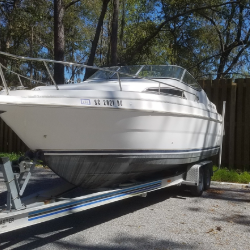
Boat on Land
(Trailer Not Roadworthy, No Trailer, Boat Stands, Blocks, Ground, etc.)
Starting
Low Price Averages: $2,250
High Price Averages: $4,700
Get a Quote!
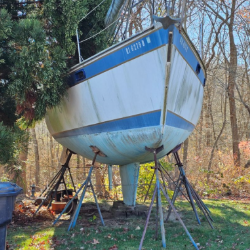
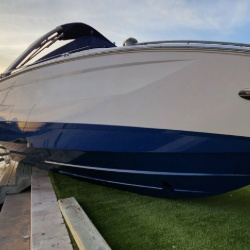
Boat On Water
(Slip/Dock, Mooring, Lift, Anchor, etc.)
Boat Ramp / Marina Exchange
Customer Arranges Water Tow
Starting
Low Price Averages: $2,450
High Price Averages: $5,500
Get a Quote!
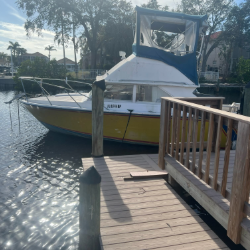
Boat On Water
(Slip/Dock, Mooring, Lift, Anchor, etc.)
Provider Arranges Water Tow
Starting
Low Price Averages: $3,150
High Price Averages: $6,500
Get a Quote!
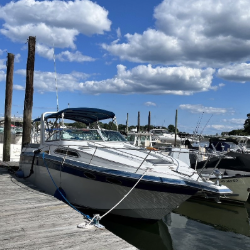
Boat On Water
Submersed, Sinking, Sunken
Provider Arranges Water Tow
Starting
Low Price Averages: $5,450
High Price Averages: $13,500
Get a Quote!
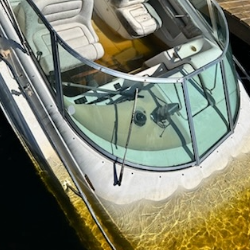
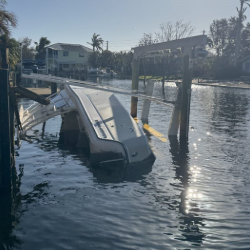
Boat Length 30-35ft
Boat on Land
(Trailer Roadworthy)
Starting
Low Price Averages: $2,950
High Price Averages: $7,050
Get a Quote!
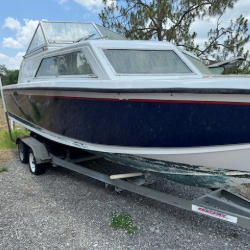
Boat on Land
(Trailer Not Roadworthy, No Trailer, Boat Stands, Blocks, Ground, etc.)
Starting
Low Price Averages: $3,450
High Price Averages: $7,950
Get a Quote!
Boat On Water
(Slip/Dock, Mooring, Lift, Anchor, etc.)
Boat Ramp / Marina Exchange
Customer Arranges Water Tow
Starting
Low Price Averages: $3,650
High Price Averages: $8,150
Get a Quote!
Boat On Water
(Slip/Dock, Mooring, Lift, Anchor, etc.)
Provider Arranges Water Tow
Starting
Low Price Averages: $3,950
High Price Averages: $8,750
Get a Quote!
Boat On Water
Submersed, Sinking, Sunken
Provider Arranges Water Tow
Starting
Low Price Averages: $6,650
High Price Averages: $18,150
Get a Quote!
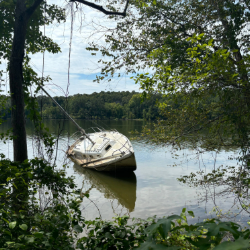
Boat Length 35-40ft+
Boat on Land
(Trailer Roadworthy)
Starting
Low Price Averages: $3,250
High Price Averages: $9,500
Get a Quote!
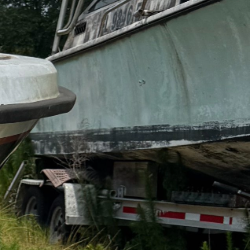
Boat on Land
(Trailer Not Roadworthy, No Trailer, Boat Stands, Blocks, Ground, etc.)
Starting
Low Price Averages: $3,750
High Price Averages: $13,300
Get a Quote!
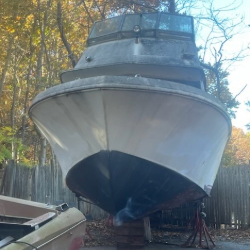
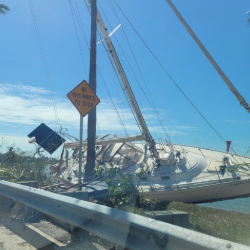
Boat On Water
(Slip/Dock, Mooring, Lift, Anchor, etc.)
Boat Ramp / Marina Exchange
Customer Arranges Water Tow
Starting
Low Price Averages: $3,950
High Price Averages: $11,700
Get a Quote!
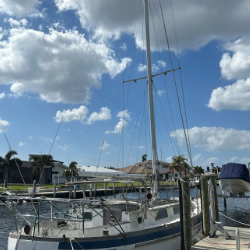
Boat On Water
(Slip/Dock, Mooring, Lift, Anchor, etc.)
Provider Arranges Water Tow
Starting
Low Price Averages: $4,950
High Price Averages: $14,700
Get a Quote!
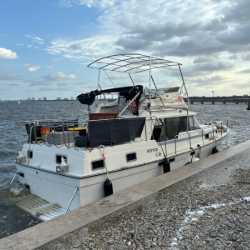
Boat On Water
Submersed, Sinking, Sunken
Provider Arranges Water Tow
Starting
Low Price Averages: $13,950
High Price Averages: $23,700
Get a Quote!
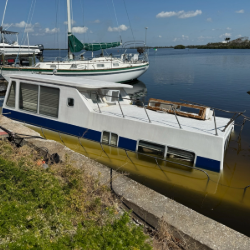
Boat Removal Dispatch transports boats by water or land, then we crush or dismantle & dispose of it at a junkyard, or boatyard. We remove many types of vessels including sailboats, yachts, cuddy cabins, bowriders, cabin cruisers, center consoles, catamarans, bass boats, power boats, fun decks, tugboats, deck boats, fishing, lobster and shrimp boats, rigids, rusty trailers, trailers with flat tires, junk boats, sinking boats, sunken boats, wave runners, jet skis, and pretty much any recreational vessel.
Getting Rid of Your Boat?
What’s Included In our Boat Removal Services
- Transport by Water & Haul Out.
- Transport by Land.
- Store at Boat and Junkyards.
- Dismantle & Crush Boats.
- Disposal & All Disposal Fees.
Frequently Asked Questions
What Happens to Old Boats? Understanding the Boat Disposal Process
Boats, like cars, recreational vehicles or homes, have a shelf life. Eventually, age, elements, damage, or obsolescence can render them unusable or too costly to maintain. When that day comes, owners face a tough question: how do you get rid of a boat? The answer isn’t always simple—some boat disposal tasks involve logistics, legal considerations, and growing environmental concerns.
Unlike everyday household waste, boats are bulky, built from a mix of materials, and not always easy to recycle. A typical recreational boat may be made of fiberglass, metal, wood, foam, wiring, and hazardous fluids. Each of these components requires different disposal methods.
Boat disposal is more than just dragging an old vessel to the junkyard. It’s a full, often expensive process that calls for liable decision-making. Whether it’s through recycling, donation, or deconstruction, the key is to approach disposal with a view toward ecological and financial stewardship.
After all, we enjoy the water while boating—shouldn’t we help keep it clean when we’re done?
The Future of Boat Disposal
With over 10 million recreational boats in the U.S. alone—and many aging out of use—the pressure to develop sustainable disposal methods is growing. Innovators are working on:
- Recyclable boat materials (like thermoplastics instead of fiberglass)
- Boat composting techniques (experimental for wooden hulls)
- Improved grinding and reuse methods for composite hulls
Some manufacturers are even exploring cradle-to-cradle boat design, where every component is built with its end-of-life recycling in mind.
Boat Removal Dispatch Removes All Boats
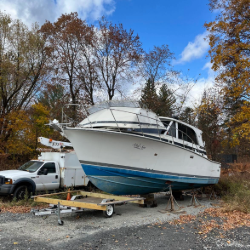
Small Backyard Boats

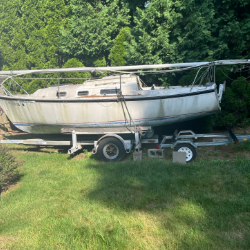
Sailboats on Boat Stands

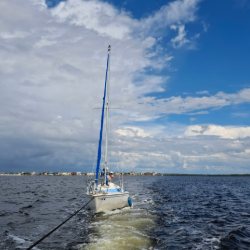
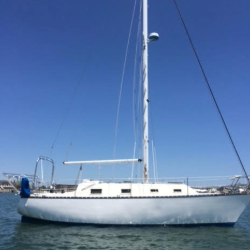
Old Sailboats from Waterways

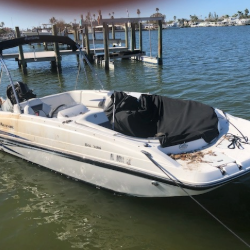
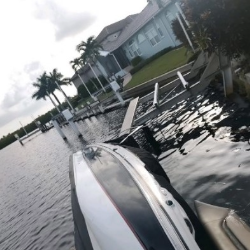
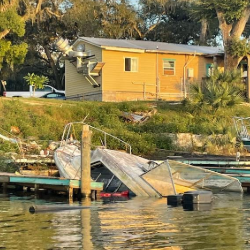
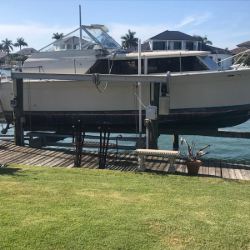
Power Boats from a Broken Lift

Boat Removal Dispatch – Tow by Water, Transports by Road, Crush & Dismantle Offsite or Onsite
We’ll Tow Sailboats, Motorboats, Yachts and more
Load, Trailer at the Boat Ramp or Haul Out

Trailer Load & Prepare to Haul

Get Rid of Your Boat Today

What Happens When a Boat Reaches the End of Its Life? A Look into Boat Disposal
Boats, like all vehicles, don’t last forever. Whether it’s due to age, damage, or simply becoming outdated, there comes a time when a boat reaches the end of its seaworthy life. But disposing of a boat isn’t as simple as parking it at the curb. It’s a complex, multi-step process involving environmental regulations, recycling logistics, and sometimes, creative repurposing.
Here’s a deep dive into how boat disposal works — from haul-out to hull break-up.
Assessment and Haul-Out
The disposal process begins with assessing the boat’s condition. Owners (or marine professionals) determine whether the vessel can be sold, donated, salvaged for parts, or must be scrapped.
If the boat is still floating, it must be transported — either to a boatyard, landfill, or recycling facility. This usually involves a haul-out, where the boat is lifted from the water using cranes or travel lifts and placed on a trailer or drydock.
Removal of Hazardous Materials
Old boats often contain environmentally hazardous substances like:
- Fuel and oil
- Batteries
- Asbestos (in some older vessels)
- Lead-based paint
- Hydraulic fluids and coolants
These materials must be carefully drained, removed, and properly disposed of in accordance with local environmental laws. Skipping this step could result in pollution fines or serious ecological damage if the boat is dumped illegally.
Boat Salvage and Reuse
Before scrapping a boat entirely, salvageable parts are removed for reuse or resale. These may include:
- Engines and transmissions
- Electronics (radars, GPS, radios)
- Propellers and shafts
- Stainless steel fittings
- Sails, rigging, and hardware (for sailboats)
- Wooden trim or cabinetry
These parts often have market value and can help offset the cost of disposal.
Hull Destruction and Material Sorting
Most pleasure boats are made from fiberglass, a durable but notoriously difficult material to recycle. Once stripped, the hull is usually broken apart using:
- Excavators with hydraulic claws
- Saws and cutting tools
- Industrial shredders (in more advanced facilities)
The debris is then sorted into recyclable and non-recyclable materials. Steel and aluminum from metal boats are easy to recycle. Fiberglass, however, poses a major challenge.
Recycling Fiberglass – A Work in Progress
Fiberglass cannot be melted down like metal, and it doesn’t decompose. Current methods for disposing of fiberglass include:
- Landfill Burial: The most common (and cheapest) method, though environmentally unfriendly.
- Cement Kiln Co-processing: Fiberglass is ground up and used as a silica substitute in cement manufacturing.
- Experimental Recycling: Some companies are working on chemical and mechanical recycling methods, but these are still limited and costly.
As more boats age out of service — and with tens of thousands of recreational boats reaching end-of-life each year — the need for scalable fiberglass recycling is becoming urgent.
Documentation and Decommissioning
In many places, disposing of a boat legally requires paperwork. Owners may need to:
- Deregister the vessel with the maritime authority
- Cancel insurance policies
- Prove legal ownership
- Pay disposal or recycling fees
Abandoning a boat (on land or in the water) is illegal in most jurisdictions and can result in hefty fines.
Emerging Solutions and the Future of Boat Disposal
With environmental concerns growing, boat manufacturers and regulators are beginning to tackle end-of-life boat issues more seriously. Some promising developments include:
- Boat buyback and take-back programs
- Designing for recyclability (e.g., using more aluminum or modular parts)
- Marina-based collection and disposal hubs
Countries like Norway and France have already introduced national boat disposal systems. Similar programs may be on the horizon in other regions as part of the broader shift toward circular economies.
Boat disposal is far more than a matter of dragging an old vessel to the junkyard. It’s a process that requires planning, legal compliance, and a commitment to reducing environmental impact. As the global fleet of aging recreational boats grows, better disposal practices will be essential to keeping our waterways clean and sustainable for the next generation of sailors.
Crushing boats is a dramatic but necessary step in the boat disposal process — especially when vessels are beyond repair, unsellable, or pose environmental and navigational hazards. This process is not just about reducing size; it’s also a key part of responsible recycling and waste management.
What Is Boat Crushing & Dismantling?
Boat crushing is the physical destruction of a vessel’s hull and superstructure using heavy machinery. It’s a controlled process typically done at licensed scrapyards, recycling centers, or boat dismantling facilities.
We Crush Onsite

Disposing of Boats On Jobsite

Crushing Boats Offsite

Dismantling Boat In Water

The goal is to:
- Break down the boat into manageable pieces
- Separate materials for recycling or disposal
- Prevent illegal dumping or abandonment
How Are Boats Crushed?
Preparing a Boat to be Crushed
Before a boat can be crushed, several prep steps are required:
- Remove fluids: All fuel, oil, coolant, and other hazardous liquids are drained.
- Strip components: Valuable or reusable parts (engines, electronics, wiring) are removed.
- Deregister the vessel: Legal documentation is canceled to prevent future misuse.
Boat Crushing Equipment
The equipment used varies depending on the size and material of the boat:
- Excavators with hydraulic claws or shears: These grab, twist, and tear apart the hull.
- Industrial compactors: Used for smaller vessels, these machines compress the boat into a flat or cubed mass.
- Shredders: High-powered shredders can tear fiberglass, wood, and light metal into smaller fragments for sorting and recycling.
Challenges of Crushing Boats
- Fiberglass: Unlike metal or wood, fiberglass doesn’t compress easily and doesn’t biodegrade. Crushing it can release harmful dust, so PPE and containment are required.
- Size and weight: Larger boats can weigh several tons and are difficult to maneuver. In some cases, they must be cut into sections before crushing.
- Environmental safety: Proper handling is crucial to avoid pollution from leftover chemicals or debris.
What Happens After Crushing a Boat?
Crushing is only part of the disposal cycle. Once boats are reduced to chunks:
- Metals (aluminum, stainless steel) are sent to scrap recyclers.
- Fiberglass debris may be:
- Landfilled (the most common but least sustainable option)
- Ground into powder for use in concrete or asphalt
- Sent to specialized facilities for reuse in cement kilns
- Non-recyclables are disposed of as industrial waste.
Why Is Boat Crushing Increasing?
- Aging fleet: Thousands of recreational boats are reaching the end of their lives every year.
- Storage costs: Marinas and boatyards are running out of space for derelict or abandoned vessels.
- Legal pressure: Governments are cracking down on “ghost boats” and enforcing stricter disposal rules.
The Future of Boat Crushing
As more boats are crushed each year, the marine industry is exploring:
- Cleaner, safer methods of crushing and recycling
- Design-for-disposal practices in new boat manufacturing
- Boat take-back programs that include environmentally responsible crushing
Crushing a boat might sound extreme, but it plays a critical role in keeping coasts, harbors, and storage yards free of derelict vessels. When done properly, it supports recycling efforts, reduces waste, and ensures boats are retired safely — without harming the environment or becoming a public nuisance.